Bulgaria
Belogradchik Fortress
Museum · Belogradchik
Cave

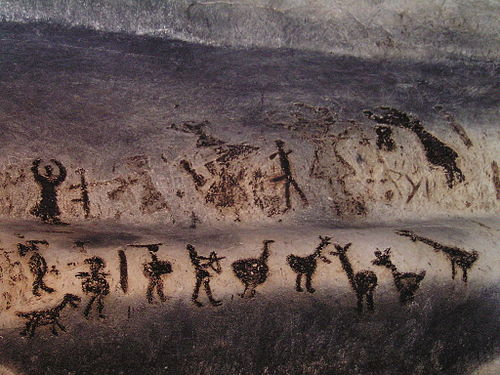
Kozarnika or Peshtera Kozarnika (Bulgarian: Пещера Козарника, lit. 'The Goat Shed') is a cave in northwestern Bulgaria that was used as a hunters’ shelter as early as the Lower Paleolithic (1.6-1.4 million BP). It marks an older route of early human migration from Africa to Europe via the Balkans, prior to the other currently suggested route - the one across Gibraltar. The cave probably keeps the earliest evidence of human symbolic behaviour and the earliest European Gravette flint assemblages came to light here.
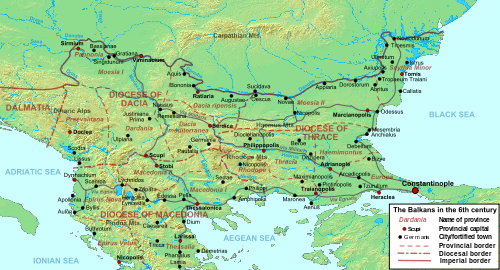
Kozarnika cave is located 6 km (4 mi) from the town of Belogradchik in northwestern Bulgaria, on the northern slopes of the Balkan Mountains, close to the Danubian Plain. It is opened to the south, at 85 m (280 ft) above the valley. With its length of 210 m (690 ft), the cave is among the small-sized in the Belogradchick karst region. Studies over the course of two decades uncovered 21 geological layers there, containing (bottom to top) archaeological complexes of Early Lower Paleolithic (layers 13 - 11a), Middle Paleolithic (layers 10b - 9a), Early Upper Paleolithic (layer 6/7), a sequence of an original Paleolithic bladelets industry with backed pieces that scholars called...
Closest places in our Bulgaria guide.
More places to explore in Bulgaria.